THE SILK LIBRARY
The history of silk: Silk Roads, mulberry and wild silk
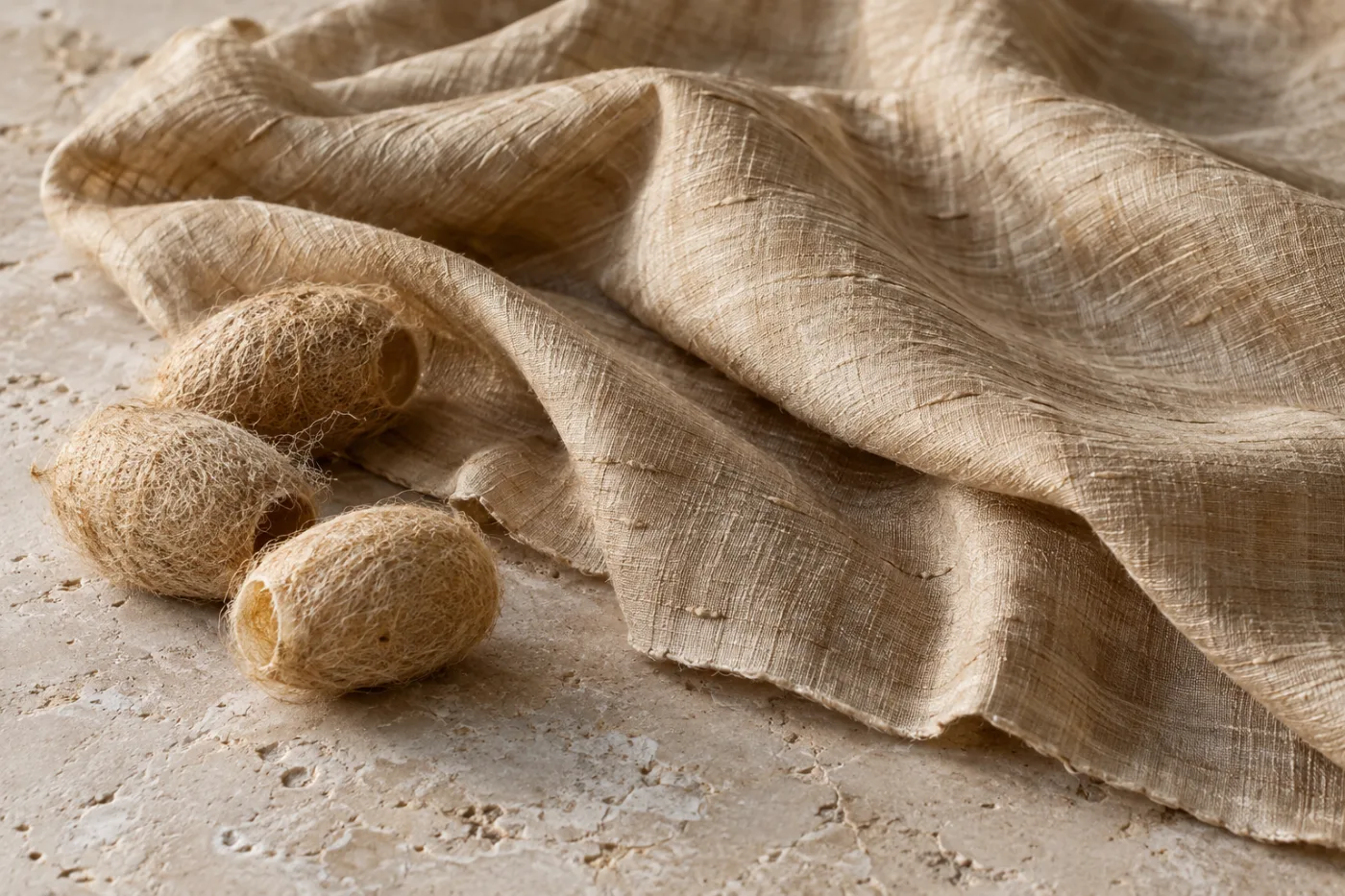
Silk is a natural protein fibre spun into cocoons by the larvae of several moth species. Its history is larger than one fabric or one trade route. This guide separates the story of the Silk Roads from the practical differences between cultivated mulberry silk and wild silk.
Where did silk begin?
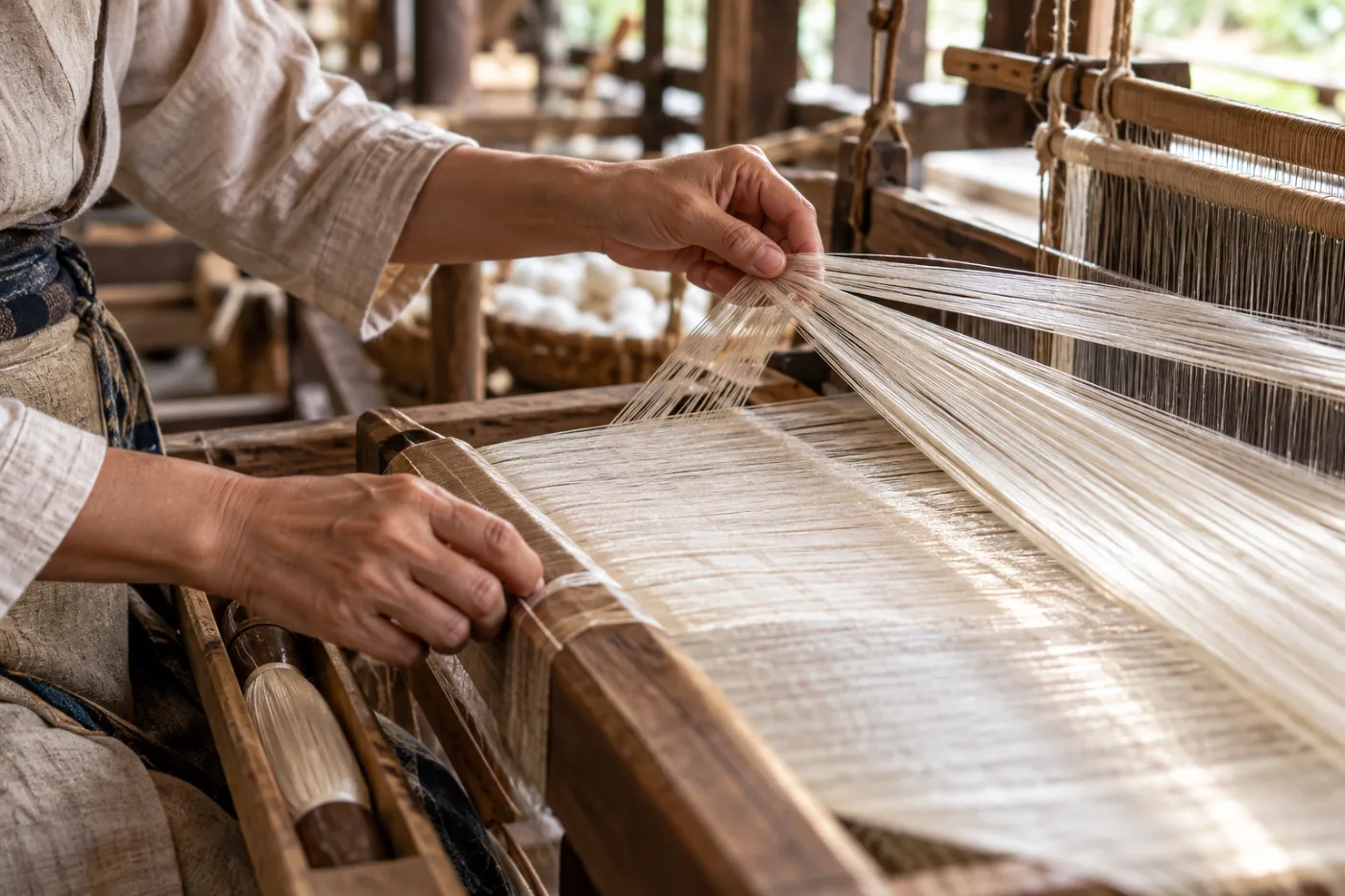
Silk production has deep roots in ancient China. Sericulture means rearing silkworms and processing their cocoons into thread. The Metropolitan Museum of Art describes cultivated mulberry silk as fibre from the domesticated moth Bombyx mori. Surviving textiles and archaeological finds show how important silk became in clothing, ceremony and trade.
The often-repeated story that silk began on one precise date belongs to tradition, not a simple archaeological timetable. It is more useful to think of silk as a craft that developed over long periods and travelled with people, techniques and demand.
The Silk Roads were a network, not one road
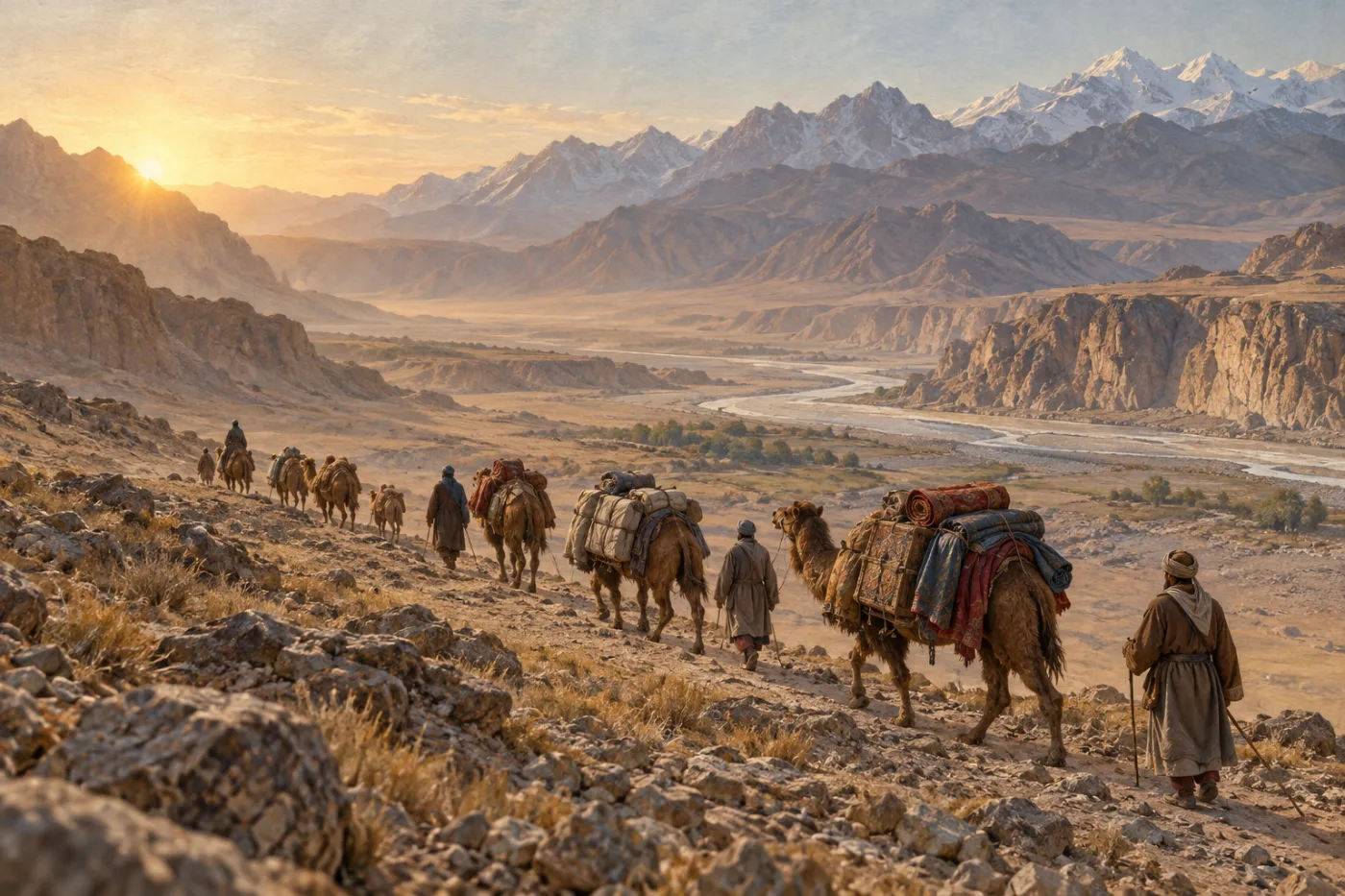
UNESCO describes the Silk Roads as connected land and maritime routes across Eurasia. Silk gave the network its modern name, but merchants also moved spices, ceramics and other goods. Knowledge, beliefs and artistic techniques travelled with them. No single caravan followed one continuous path from China to Europe.
The name “Silk Road” was coined in the nineteenth century. It is a useful shorthand, but it should not hide the many local routes, ports and communities that made the exchanges possible.
What is mulberry silk?
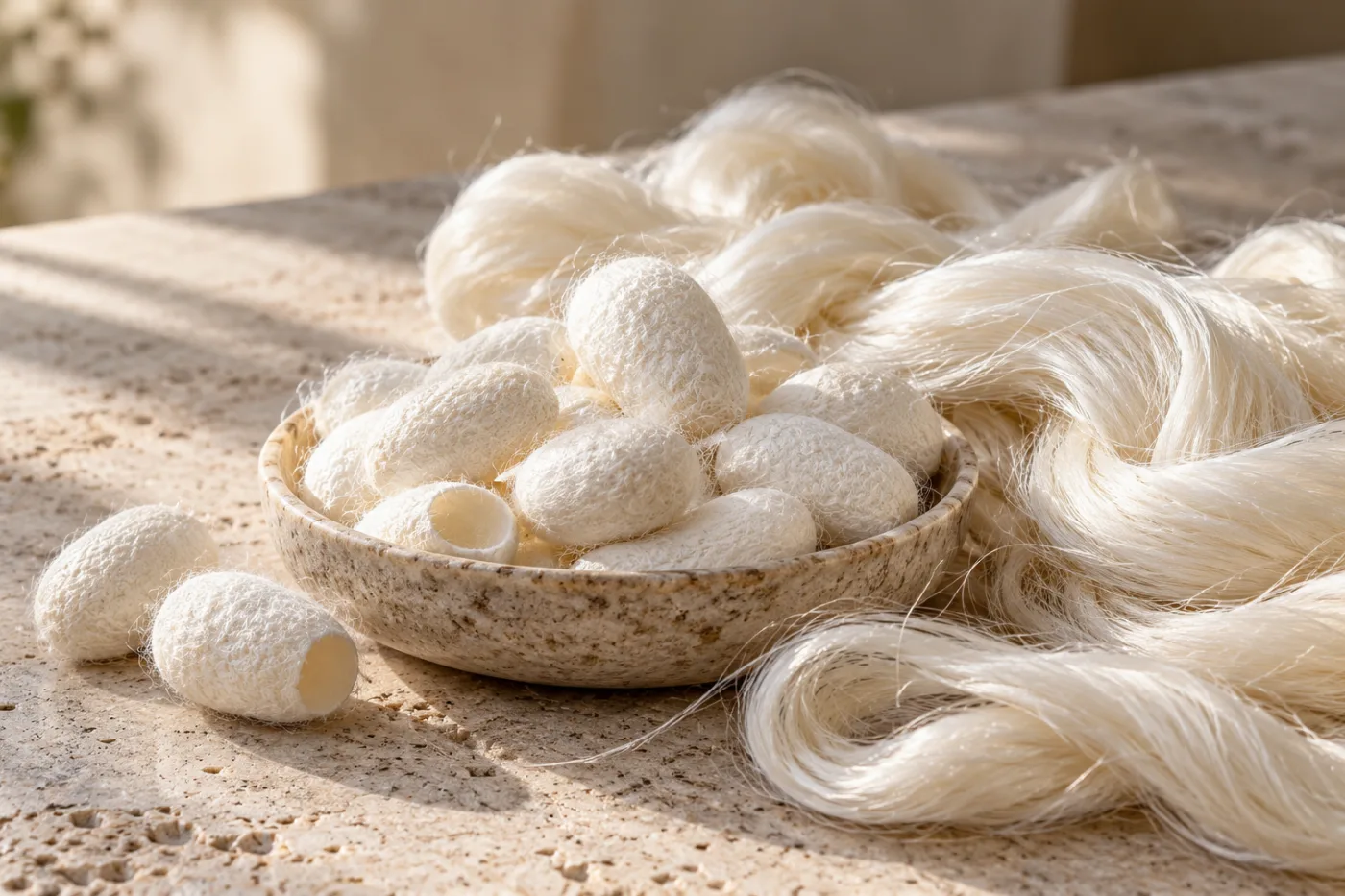
Mulberry silk usually refers to silk from Bombyx mori, a domesticated silkmoth whose larvae are fed mulberry leaves. Fibre, weave and fabric weight are separate ideas: “silk” identifies the fibre, “satin” identifies a weave, and momme describes fabric weight. A smooth-looking satin fabric is not automatically silk.
For a pillowcase, check the stated fibre composition, finished dimensions, closure and care label together. A 22-momme claim says something about fabric weight; it does not, by itself, prove durability, fit or a health outcome.
What makes wild silk different?
Wild silk is an umbrella term for silk from moths other than the domesticated mulberry silkmoth. Museum collections include tussah, eri and muga among the examples. Their fibres and finished fabrics can differ in colour, texture and processing; “wild” is not a single material grade.
A wild-silk label does not automatically tell you how the moths were raised, how the fibre was processed or whether a fabric is better for a pillowcase. Ask for the species or fibre description and compare the finished fabric and care needs. The pillowcase linked below is described as mulberry silk, not wild silk.